- Tiruchirappalli | Chennai | Pudukottai | Kumbakonam | Virudhachalam




- Sultan Rice House
- February 13, 2026
- No Comments
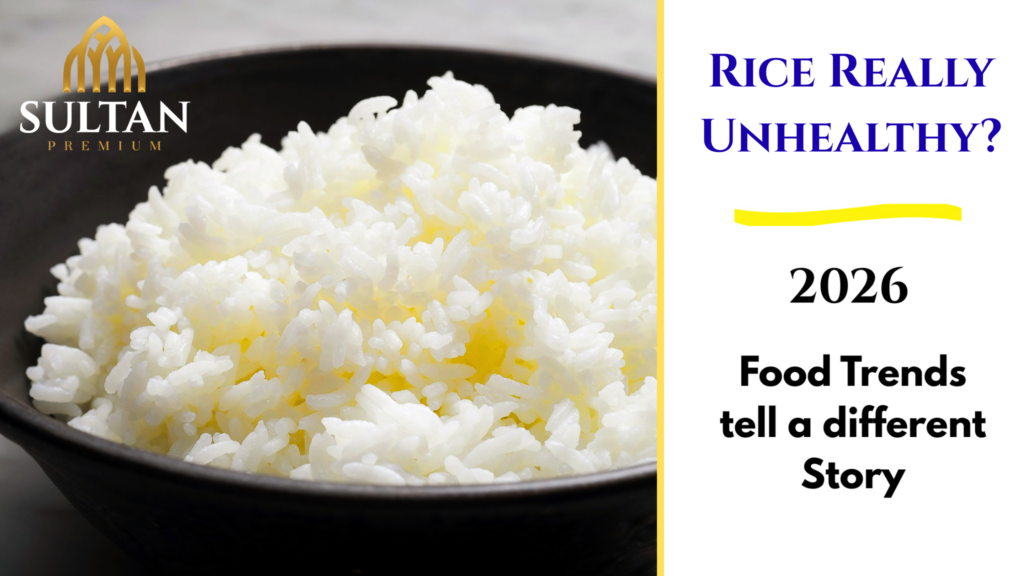
For many years, rice has been misunderstood as an unhealthy food. With the rise of low-carb and fad diets, rice slowly became a “food to avoid” for people trying to eat healthy. But as we move into 2026, modern food trends and nutrition research are challenging this belief.
Health experts, nutritionists, and conscious eaters are now shifting their focus from extreme restrictions to balanced, sustainable eating. And rice—especially good-quality rice—is making a strong comeback.
So, is rice really unhealthy? Let’s look at what 2026 food trends reveal.
Why Rice Got a Bad Reputation
The idea that rice is unhealthy didn’t come from tradition—it came from modern lifestyle habits. Overeating, lack of physical activity, and poor food combinations led people to blame rice unfairly.
Some common reasons rice was considered unhealthy include:
Popular low-carb diet trends
Excess portion sizes
Low-quality, highly processed rice
Sedentary lifestyles
In reality, rice has been a staple food in Indian households for generations. Traditional diets included rice daily, yet lifestyle-related health issues were far less common than they are today.
2026 Food Trends Are Changing the Narrative
1. Balanced Diets Over Extreme Dieting
One of the biggest food trends in 2026 is the rejection of extreme diets. Nutrition experts now emphasize balance over elimination.
Rice is a natural carbohydrate that:
Provides steady energy
Supports brain and muscle function
Keeps meals satisfying
When eaten in the right quantity and paired with vegetables, pulses, and protein, rice becomes part of a complete and healthy meal.
2. Gut Health Takes Center Stage
Gut health is a major health focus in 2026. People are choosing foods that are easy to digest and gentle on the stomach.
Rice is:
Light on digestion
Naturally gluten-free
Suitable for all age groups
This is why rice is often recommended for people with digestive sensitivity, acidity, or recovery diets. Compared to heavily processed foods, rice supports a healthier gut environment.
3. Traditional Indian Foods Are Back
Across the world, traditional diets are being recognized for their nutritional wisdom. South Indian meals—centered around rice, vegetables, lentils, and fermented foods—are now praised for their balance and simplicity.
Rice-based meals:
Offer sustained energy
Encourage mindful eating
Reduce dependency on ultra-processed foods
This revival proves that rice has always belonged in a healthy diet.
Is White Rice Really Bad for Health?
A common misconception is that all white rice is unhealthy. The truth is, rice quality matters more than the color.
Good-quality rice:
Is properly aged
Cooks evenly
Feels lighter after eating
Is easier to digest
While unpolished rice may contain more fiber, premium white rice—when consumed in moderation—can still be part of a healthy lifestyle. Choosing rice from a trusted source makes a noticeable difference in both taste and digestion.
Does Rice Cause Weight Gain?
Rice alone does not cause weight gain. Weight gain happens due to excess calories, poor food choices, and lack of physical activity.
In fact, rice can help with weight management because:
It keeps you full for longer
Prevents frequent snacking
Provides energy for daily activities
Many nutrition experts now agree that controlled portions of rice are healthier than refined alternatives like white bread or heavily processed foods.
How to Eat Rice the Healthy Way
2026 food trends focus on how food is eaten, not just what is eaten.
A healthy rice meal should include:
A moderate portion of rice
Plenty of vegetables
Protein sources like dal, curd, or legumes
Minimal oil and balanced spices
This combination supports digestion, improves nutrient absorption, and keeps energy levels stable throughout the day.
Choosing the Right Rice for Your Family
Health-conscious consumers today are more mindful about the quality of ingredients they use at home. Choosing the right rice is essential for daily well-being.
When buying rice, look for:
Clean and uniform grains
Natural aroma
Proper storage and processing
Consistent quality
At Sultan Rice House, the focus is on offering carefully sourced rice that meets both taste and health expectations. Quality rice not only enhances the flavor of food but also makes meals feel lighter and more satisfying.
Final Thoughts: Rice Is Not the Enemy
Food trends in 2026 clearly show that rice is not unhealthy—it has simply been misunderstood. When eaten wisely, rice remains one of the most nourishing, affordable, and culturally rooted foods.
True health comes from balance, quality, and mindful choices—not fear.
Instead of avoiding rice, focus on:
Choosing good-quality rice
Eating the right portions
Pairing rice with nutritious foods
Rice has always been part of healthy living—and it continues to be.